News
PR in Culturally Diverse Markets: What US Companies Get Wrong
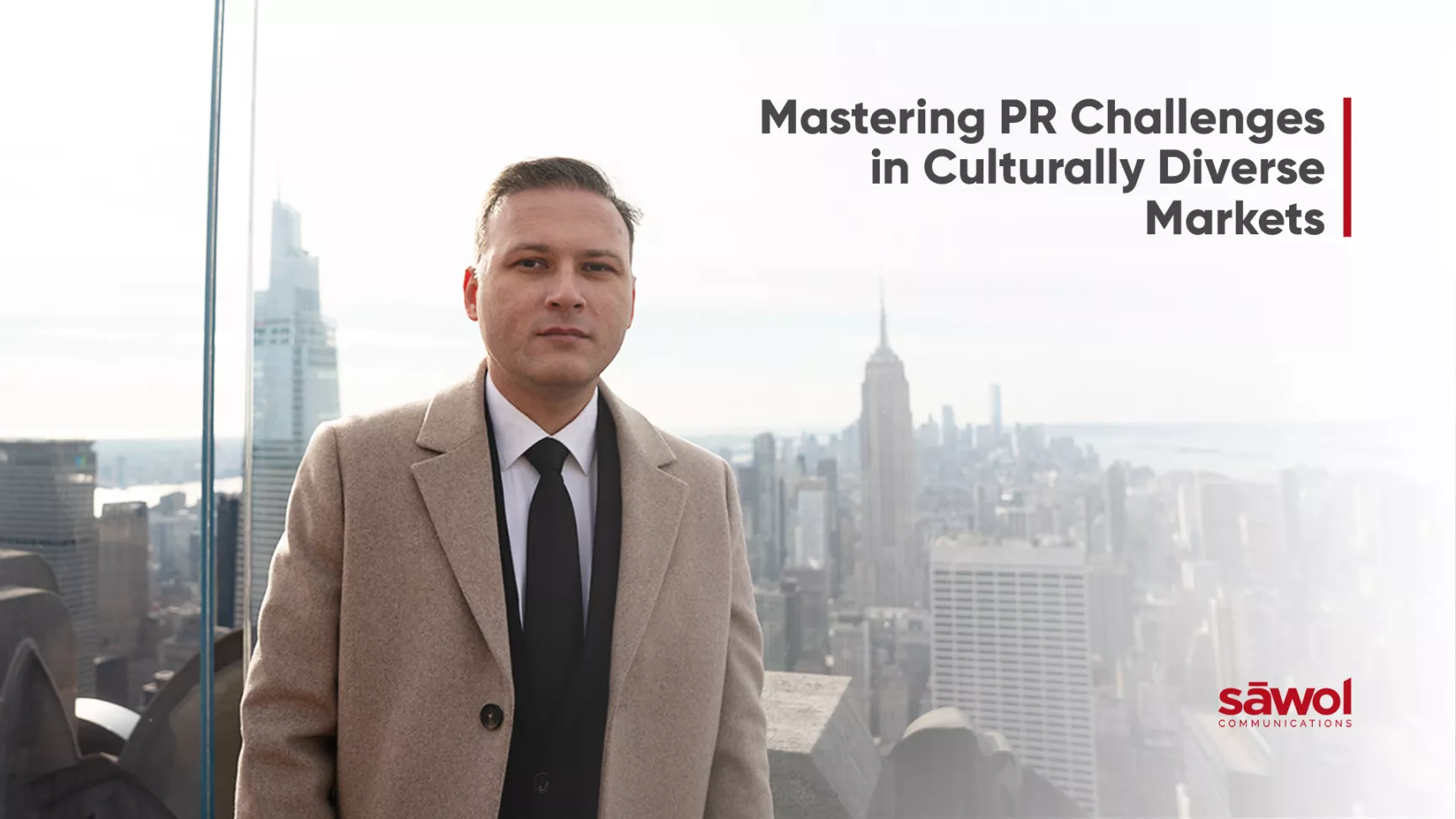
PR in Culturally Diverse Markets: What US Companies Get Wrong
This week, Grit Daily published an interview with our founder, Ali Hajizade, about two problems that keep coming up in our work: information overload and the cultural gap that US companies hit when they enter markets like the Gulf or Central Asia. Below are the main points from that interview, plus what we advise clients to check before entering a new market.
Industry estimates put the US PR market above $15 billion in 2024, with forecasts approaching $21 billion by 2029. Companies spend that money to be seen. The problem is that everyone else is spending too. The average person is exposed to thousands of messages a day and ignores almost all of them. For startups and mid-sized companies without a household name, this is the first wall they hit.
The answer is not more volume. It is precision. “Cutting through the noise requires an approach that combines both creativity and deep analysis,” says Hajizade, who has spent 17 years in PR. In practice, this means knowing who you need to reach, which channels they actually trust, and what they already believe before you say a word.
Distance makes the problem worse. A US company entering the Middle East or Central Asia isn’t just competing for attention. It is competing in a place where the rules of attention are different.
“The biggest mistake U.S. companies make when entering foreign markets is underestimating the cultural differences that affect communication,” Hajizade told Grit Daily. “Many businesses try to replicate strategies that work in the U.S. without considering their target audience’s local customs, traditions, and communication styles.”
A campaign built for a US audience usually arrives with US assumptions: that facts persuade on their own, that a press release reaches the press, that social media shapes opinions. In most of the markets we work in, at least one of these assumptions fails.
Audiences do not just speak different languages. They weigh information differently. In some markets, a message lands only when it is tied to community, relationships, and the people who stand behind it. In others, a direct, factual statement carries more weight than any story. In one country, the most trusted source is a national broadcaster; in the next it is a few Telegram channels or a columnist everyone reads. The media landscape, the role of the state, the place of English, the calendar of holidays and business seasons: all of this decides what gets heard.
“We work closely with our clients to develop strategies that resonate culturally and linguistically, ensuring that their brand is not only heard but understood,” Hajizade says. Heard but understood is the point. A translated press release is heard. A message built for the market is understood.
Five questions to answer before you enter a new market
- Who actually shapes opinion here? Not who has the largest audience, but who is trusted by the people you need to reach.
- Which channels carry weight? Print, television, messaging apps, and personal networks matter differently in every market. So does the line between earned and paid media.
- What does your audience already believe about companies like yours? A foreign brand often inherits a reputation before it says anything.
- What language and register are right? Sometimes English. Often the local language, and sometimes a second one. A tone that reads as confident in New York can read as arrogant elsewhere.
- What can go wrong, and who will respond? Cultural missteps are cheap to prevent and expensive to repair.
How Sāwol works with clients entering new markets
Sāwol Communications is an international PR and strategic communications group with roots dating back to 2012, operating across North America, the Gulf and Eurasia. One team, three regions: we don’t hand a client entering Central Asia or the Gulf to a local subcontractor – the people who know the market work inside the firm.
We combine analysis with local knowledge. Media monitoring and social listening show how a market already talks about a topic. In some cases we run simulations to test how a message will land before it is released. From there, we build the strategy and the narrative, plan the media, and produce content for the market rather than translating it. This work sits in our Strategy and Narrative, Media Relations, and Content and Production practices.
If you are planning to enter a market you do not yet understand, talk to us before the first press release, not after the first mistake: [email protected].
US PR and marketing agencies whose clients are expanding into Eurasia or the Gulf can also work with us under a white label or partnership model. See our For Agencies page.
This article is based on an interview with Ali Hajizade by Jordan French, published by Grit Daily on October 8, 2024.
More insights
More insights
All insights
Insight
New report: how Americans get news in 2026 and how PR should respond
Who Counts as the Media Now? Sāwol Communications publishes a report on how Americans get news in 2026 and what it means…
Announcement
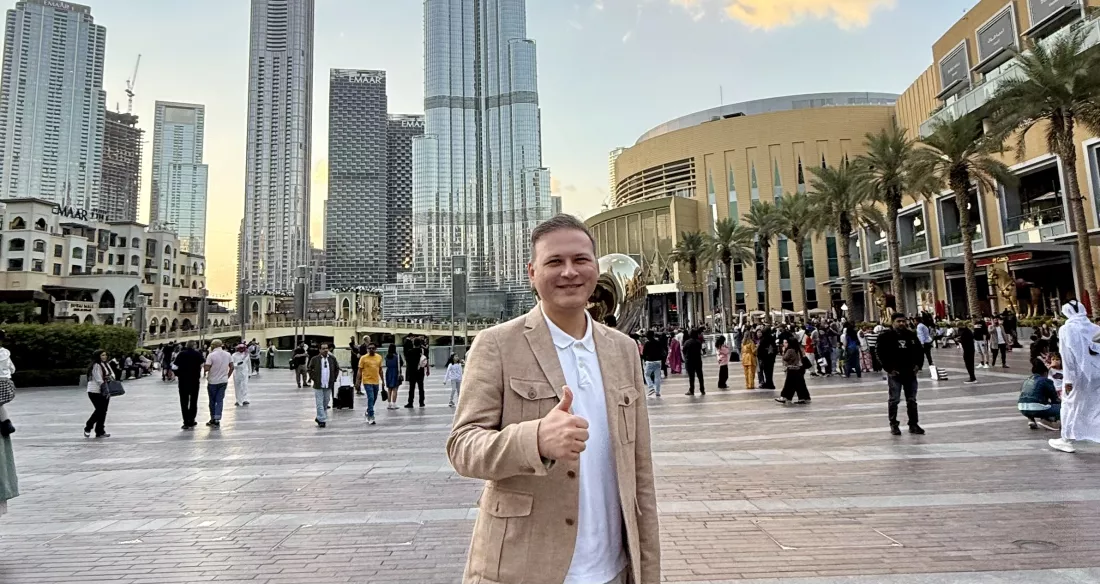
Why Dubai, and Why Now: A Founder’s Note
I get asked this a lot. “Why Dubai? Why now?” The short answer: we go where our clients need us. I first…
Note
Why Dubai Is Our Next Chapter
Every business has a moment when its next step is obvious. For us, that step was Dubai. Our story began in 2012,…